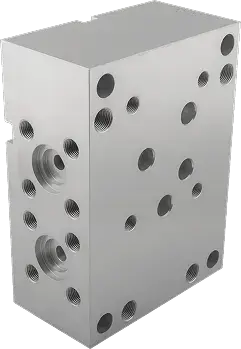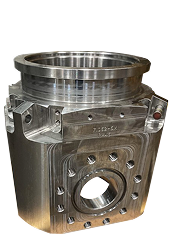

What Is Value-Added Assembly?
Value-added assembly is a manufacturing service that combines multiple components, processes, or finishing operations into a single, integrated assembly solution. Instead of delivering individual parts, manufacturers provide completed or partially completed assemblies that are ready for installation or further system integration.
Value-added assembly reduces customer handling, simplifies supply chains, and improves overall production efficiency. It may include mechanical fastening, pressing, bonding, inspection, labeling, or packaging operations, depending on application requirements.
In precision manufacturing environments, value-added assembly transforms individual components into functional, production-ready assemblies.
How Value-Added Assembly Works
Value-added assembly follows a controlled production workflow:
- Individual components are produced or sourced to specification.
- Parts are cleaned, prepared, and staged for assembly.
- Assembly operations join components using approved methods.
- Functional and dimensional checks verify assembly integrity.
- Completed assemblies are packaged or prepared for delivery.
This approach ensures consistent assembly quality and reliable system performance.
Key Elements of Value-Added Assembly
- Assembly tooling and fixtures
- Mechanical fastening or joining methods
- Bonding, pressing, or insertion processes
- In-process and final inspection procedures
- Traceability and documentation systems
- Packaging and logistics preparation
Value-Added Assembly in Aluminum Forging
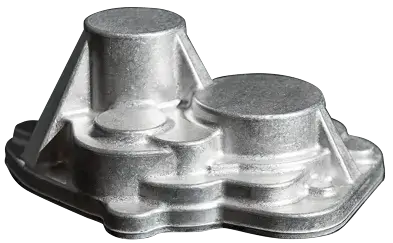
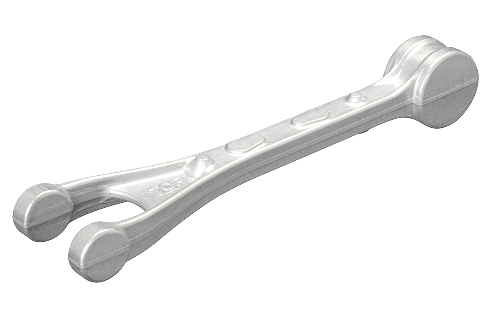
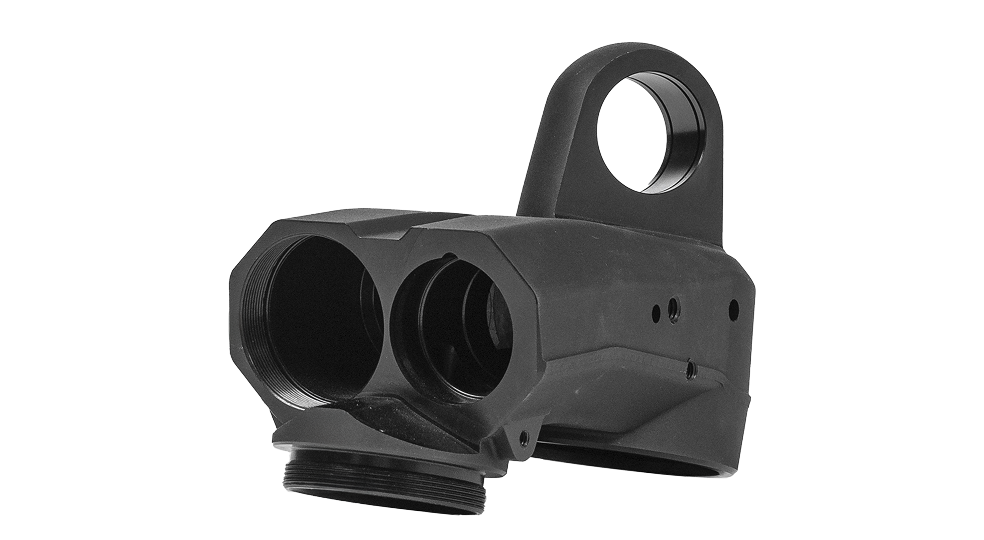
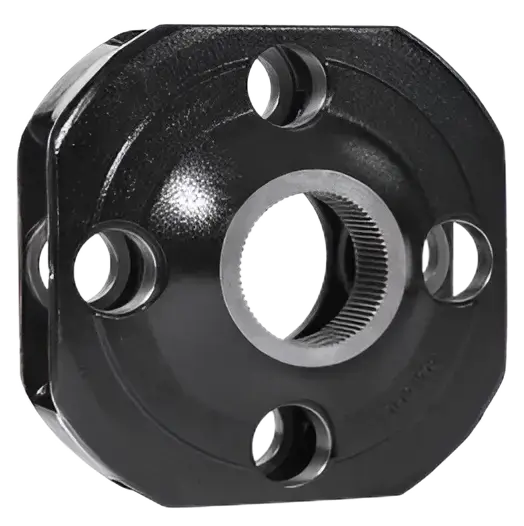
Value-added assembly is frequently applied to forged aluminum components that are part of larger mechanical systems. Forged and machined parts may require additional components to be installed before final delivery.
Anchor Harvey applies value-added assembly to:
- Combine forged aluminum components with hardware or inserts
- Perform secondary joining or fastening operations
- Deliver ready-to-install assemblies
- Reduce customer assembly labor and handling
- Improve production efficiency and consistency
This integrated approach enhances both manufacturing value and customer convenience.
Industry Applications
Aerospace
Value-added assembly supports aerospace systems by delivering preassembled components that meet strict quality and traceability requirements.
Specialty Automotive
Specialty automotive manufacturers use value-added assembly to streamline the installation of precision components in performance assemblies.
Motorsports
Motorsports applications rely on value-added assembly to reduce build time and ensure consistent component integration.
Heavy Equipment, Construction, and Agriculture
Value-added assembly improves reliability and installation efficiency for components used in heavy-duty machinery.
Fluid Power
Fluid power systems benefit from value-added assembly of manifolds, fittings, and subassemblies to ensure proper alignment and sealing.
Energy
Energy sector applications use value-added assembly to support reliable integration of precision components into larger systems.
Why Value-Added Assembly Matters
- Reduces customer assembly time and labor
- Improves supply chain efficiency
- Ensures consistent assembly quality
- Simplifies installation and integration
- Adds functional and logistical value to components
No Matter the Industry,
We Flex to Solve What You Need
No Matter
the Industry,
We Are Part of
Everything You do.