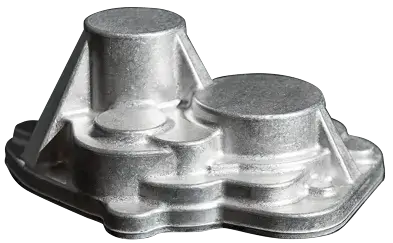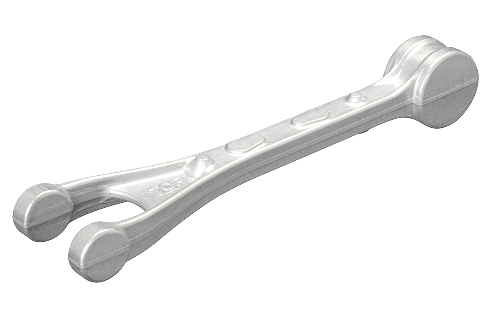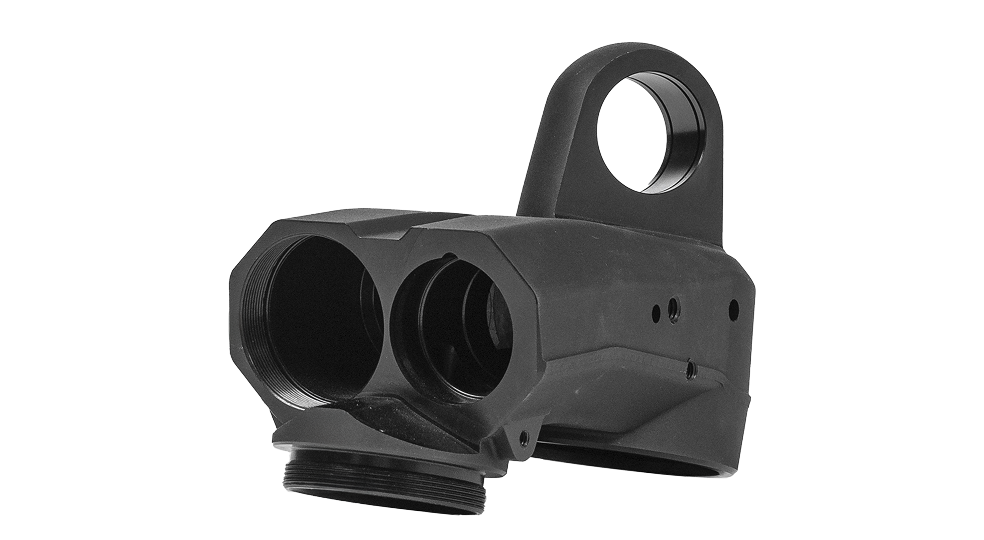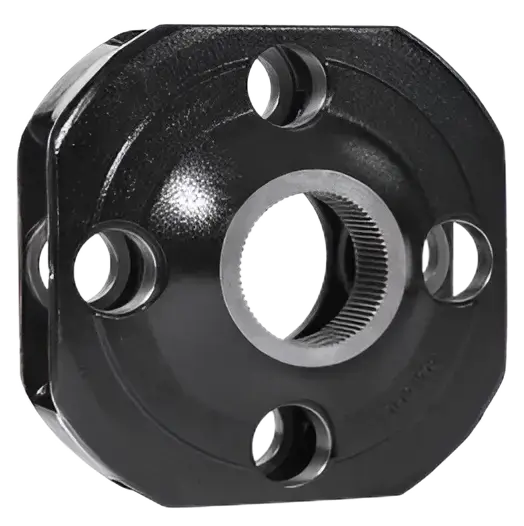

What Is Casting?
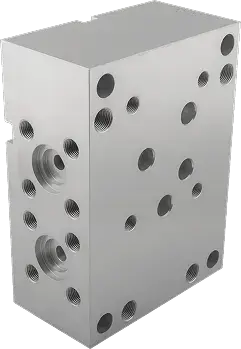
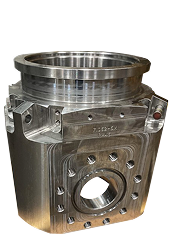
Casting is a manufacturing process where molten aluminum is poured into a mold to produce a component with the desired shape. Once the metal cools and solidifies, the part is removed from the mold and may undergo finishing or machining. Casting allows complex geometries and is cost effective for high volume parts that do not require high strength performance and is often used as an early-stage or alternative pathway within the end-to-end manufacturing lifecycle.
Because the material solidifies as it cools, cast parts may contain porosity, internal voids, or inconsistencies in grain structure. These factors can impact mechanical strength, fatigue resistance, and long term reliability, especially in demanding applications or downstream use conditions.
Forging, by contrast, works the metal in a solid state under intense pressure. This improves grain flow, reduces defects, and significantly enhances strength and durability. Many organizations switch from casting to forging when a component must withstand structural loads, vibration, or safety critical conditions as part of optimizing performance within an end-to-end manufacturing strategy.
How Casting Works
- Aluminum is melted in a furnace
- Molten metal is poured or injected into a mold cavity
- Metal cools and solidifies into the desired shape
- Casting is removed from the mold
- Final part may be heat treated, machined, or surface finished as it progresses through downstream manufacturing stages
Key Elements of Casting
- Ability to form complex shapes directly from a mold
- Susceptibility to porosity and internal voids
- Grain structure influenced by cooling rate
- Lower mechanical properties compared to forgings
- Cost effective for non structural components
- Mold design and material selection affect final quality and influence downstream performance
Casting vs Forging
- Casting uses molten aluminum poured into a mold
- Forging compresses solid aluminum to refine grain flow
- Castings may contain porosity or inconsistent density
- Forgings offer significantly higher strength and fatigue resistance
- Castings are ideal for low load, cosmetic, or non structural parts
- Forgings are preferred for load bearing, safety critical, and high performance applications
- Many companies convert cast designs to forged components to improve reliability, crash behavior, and long term durability later in the manufacturing lifecycle
Casting Within the End-to-End Manufacturing Lifecycle
Casting can serve as an initial forming method for certain components, but it is often evaluated within the broader context of final performance requirements. While casting enables complex geometries and cost efficiency, its limitations in strength and structural integrity can impact downstream performance.
In an end-to-end manufacturing model, process selection is guided by how each stage affects the final component. At Anchor Harvey, customers frequently transition from cast designs to forged solutions when performance demands increase, ensuring that material integrity, strength, and reliability are aligned with end-use conditions.
This approach supports better outcomes across the full lifecycle, from initial design through final application.
Industry Applications
Aerospace
Some housings and brackets may start as cast components, but parts exposed to stress or vibration often shift to forgings for improved fatigue life and safety within the full production and validation lifecycle..
Automotive
Castings are common in engine and drivetrain parts. Suspension, steering, and crash related components are frequently forged for superior strength to meet downstream safety and performance requirements..
Defense
Defense programs require reliable, defect free components. Forgings provide the strength, consistency, and impact resistance necessary for mission essential hardware across complex, multi-stage manufacturing environments..
Why Casting vs Forging Matters
- Helps engineers choose the right manufacturing method
- Highlights structural and performance differences
- Reduces risk of failure in high stress environments
- Supports decisions to convert cast parts to forged components
- Ensures components meet aerospace, automotive, and defense quality expectations
Learn More About Casting
Interested in learning how converting cast components to forged aluminum improves performance and reliability across the manufacturing lifecycle? Connect with Anchor Harvey to explore our expertise in end-to-end manufacturing, from initial material formation through final component delivery.
No Matter the Industry,
We Flex to Solve What You Need
No Matter
the Industry,
We Are Part of
Everything You do.