
What Is a CMM (Coordinate Measuring Machine)?
A Coordinate Measuring Machine (CMM) is a precision inspection system used to measure the physical geometry of manufactured components. It verifies part dimensions, form, position, and surface features by recording coordinates in a three-dimensional space.
CMMs are essential in modern manufacturing because they provide highly accurate, repeatable measurement data that supports quality control, process validation, and compliance with engineering specifications. Measurements collected by a CMM confirm whether a part meets its dimensional and geometric tolerance requirements.
In precision manufacturing environments, CMM inspection ensures that machined and forged components conform exactly to design intent.
How a CMM Works
CMM inspection follows a controlled measurement workflow:
- The part is securely placed on the CMM table.
- A probe or scanning sensor contacts or scans the part surface.
- The machine records coordinate points in three-dimensional space.
- Software compares measured data to the CAD model or drawing.
- Inspection reports confirm compliance with tolerance requirements.
CMMs may use touch probes, laser scanners, or optical sensors depending on part geometry and inspection needs.
Key Elements of a CMM
- Machine structure with X, Y, and Z measurement axes
- Touch probe or scanning sensor system
- Measurement software and CAD comparison tools
- Temperature-controlled inspection environment
- Calibration and verification systems
- Inspection reporting and data storage capability
CMM Inspection in Aluminum Forging
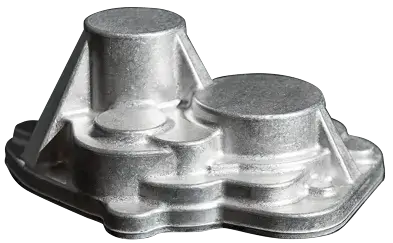
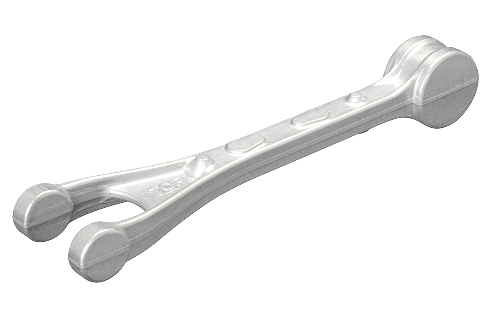
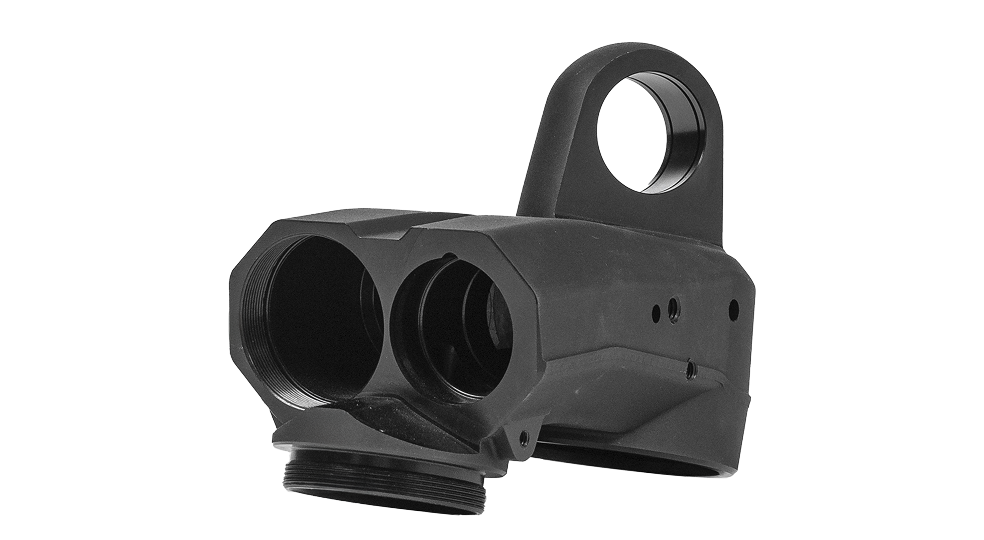
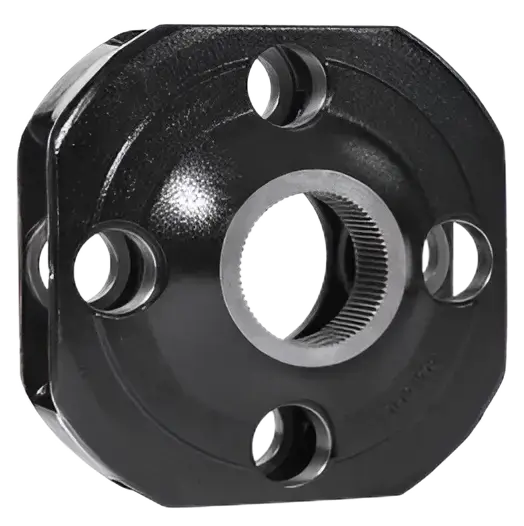
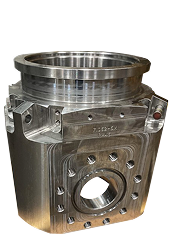
CMM inspection is critical for verifying forged and machined aluminum components. Forging establishes near net shape, while CNC machining refines final dimensions. The CMM confirms that both processes produce parts within tolerance.
Anchor Harvey uses CMM inspection to:
- Verify dimensional accuracy of forged and machined features
- Confirm geometric tolerances and positional accuracy
- Support process validation and repeatability
- Provide documented quality records for customer requirements
This inspection capability ensures aluminum components meet strict quality and performance standards.
Industry Applications
Aerospace
CMM inspection supports aerospace components requiring precise dimensional verification and documented compliance with certification standards.
Specialty Automotive
Specialty automotive manufacturers rely on CMMs to validate fit, alignment, and dimensional accuracy of performance components.
Motorsports
Motorsports applications use CMM inspection to ensure lightweight, high-precision parts meet exact design specifications.
Heavy Equipment, Construction, and Agriculture
CMMs verify dimensional consistency and alignment for components used in heavy-duty machinery.
Fluid Power
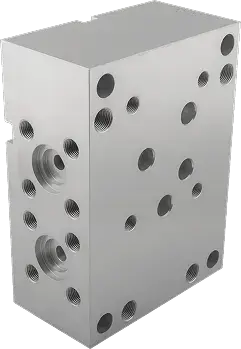
Fluid power systems depend on CMM inspection to validate valve bodies, manifolds, and sealing surfaces.
Energy
Energy sector components use CMM measurement to ensure accuracy, reliability, and traceability in critical operating environments.
Why CMM Inspection Matters
- Confirms dimensional and geometric accuracy
- Supports quality assurance and compliance
- Reduces risk of assembly issues and failures
- Enables traceable inspection documentation
- Improves manufacturing consistency
No Matter the Industry,
We Flex to Solve What You Need
No Matter
the Industry,
We Are Part of
Everything You do.