
What Are CNC-Machined Aluminum Parts?
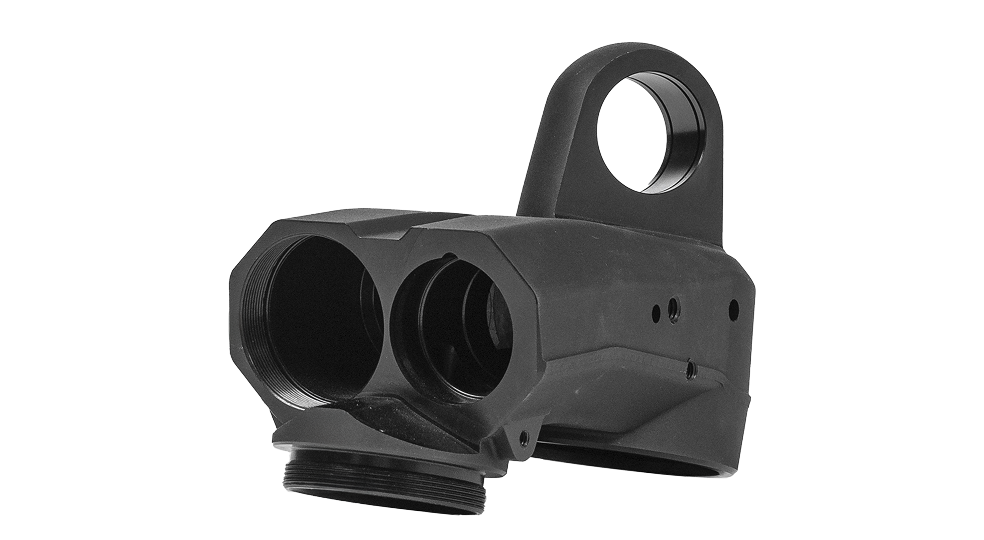
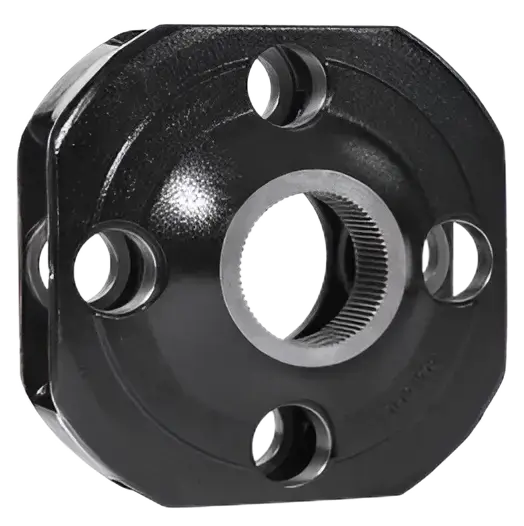
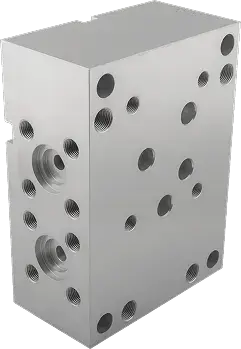
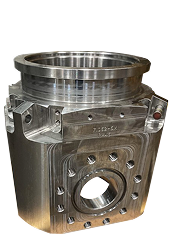
CNC-machined aluminum parts are components manufactured from aluminum using computer numerical control machining processes. These parts are produced by removing material from aluminum stock to achieve precise geometries, controlled surface finishes, and consistent dimensional accuracy.
Aluminum is commonly used in CNC machining because it offers an ideal balance of strength, low weight, corrosion resistance, and machinability. This makes CNC-machined aluminum parts suitable for both structural and functional applications across a wide range of industries.
In precision manufacturing environments, CNC-machined aluminum parts are most effective when machining is treated as one stage within a coordinated production lifecycle rather than an isolated operation.
The material decisions, forming methods, and process controls applied earlier in the lifecycle directly influence the dimensional accuracy, surface quality, and structural consistency achievable in the finished part.
How CNC-Machined Aluminum Parts Are Produced
The production process follows a controlled digital workflow:
- Aluminum stock is selected based on alloy, temper, and application requirements.
- CAD models define part geometry and tolerance specifications.
- CAM software generates optimized machining tool paths.
- CNC machines remove material to form the final part geometry.
- Parts are inspected to verify dimensional accuracy and surface quality.
This process allows manufacturers to repeatedly produce aluminum components with consistent quality and performance.
Key Elements of CNC-Machined Aluminum Parts
- Aluminum alloy selection based on strength and corrosion requirements
- Precision CNC machining equipment
- Optimized cutting tools for aluminum materials
- Rigid fixturing for dimensional stability
- Controlled machining parameters
- Quality inspection and measurement systems
CNC-Machined Aluminum Parts Within the Manufacturing Lifecycle
In an end-to-end manufacturing model, CNC-machined aluminum parts may begin their lifecycle as forgings, castings, billet, or bar stock depending on the performance requirements of the application. The starting point is determined by what the finished part needs to do, not by a default process preference. Whichever material form is selected, that early decision establishes a performance ceiling that machining refines but cannot exceed.
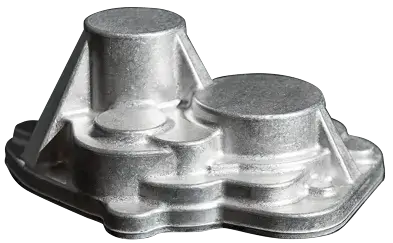
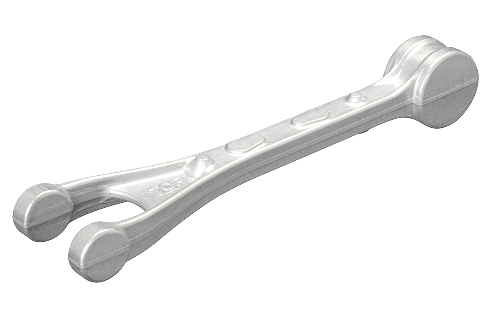
When aluminum components begin as forgings, the forging process aligns grain flow with the geometry of the part, improving fatigue resistance and structural integrity before machining begins. CNC machining then refines the forged blank to its final geometry, tolerances, and surface conditions. The two stages work together rather than independently, with the outcome of each stage informing the requirements of the next.
When aluminum is machined from billet or bar, the lifecycle starting point is different but the principle of lifecycle alignment remains the same. Material selection, alloy temper, and incoming stock consistency all affect how the part machines, how it holds tolerance over a production run, and how it performs in service.
Regardless of the starting point, treating CNC-machined aluminum parts as the product of a coordinated lifecycle rather than a single-stage operation reduces scrap, improves repeatability, and ensures that the finished part performs as intended. Tolerance assumptions, datum references, and inspection criteria need to be aligned across all stages from the beginning, not resolved after problems emerge.
Industry Applications
Aerospace
CNC-machined aluminum parts are used in structural brackets, housings, and support components where low weight, strength, and dimensional accuracy are essential for flight safety and certification.
Specialty Automotive
Specialty automotive manufacturers use CNC-machined aluminum parts for suspension components, mounting brackets, and performance assemblies requiring precision and durability.
Motorsports
Motorsports applications rely on CNC-machined aluminum parts for lightweight, high-accuracy components that support performance, speed, and reliability.
Heavy Equipment, Construction, and Agriculture
CNC-machined aluminum parts provide strength, corrosion resistance, and dimensional consistency for components used in heavy-duty machinery and agricultural equipment.
Fluid Power
Fluid power systems depend on CNC-machined aluminum parts for valve bodies, manifolds, and connectors that require tight tolerances to maintain pressure integrity.
Energy
Energy sector applications use CNC-machined aluminum parts for components that must perform reliably under demanding mechanical and environmental conditions.
Why CNC-Machined Aluminum Parts Matter
- Provide a strong and lightweight material solution
- Support tight tolerances and complex geometries
- Offer corrosion resistance and long service life
- Enable repeatable, high-quality production
- Deliver consistent structural and dimensional performance when produced as part of a coordinated manufacturing lifecycle
No Matter the Industry,
We Flex to Solve What You Need
No Matter
the Industry,
We Are Part of
Everything You do.