
What Is CNC Machining of Aluminum?
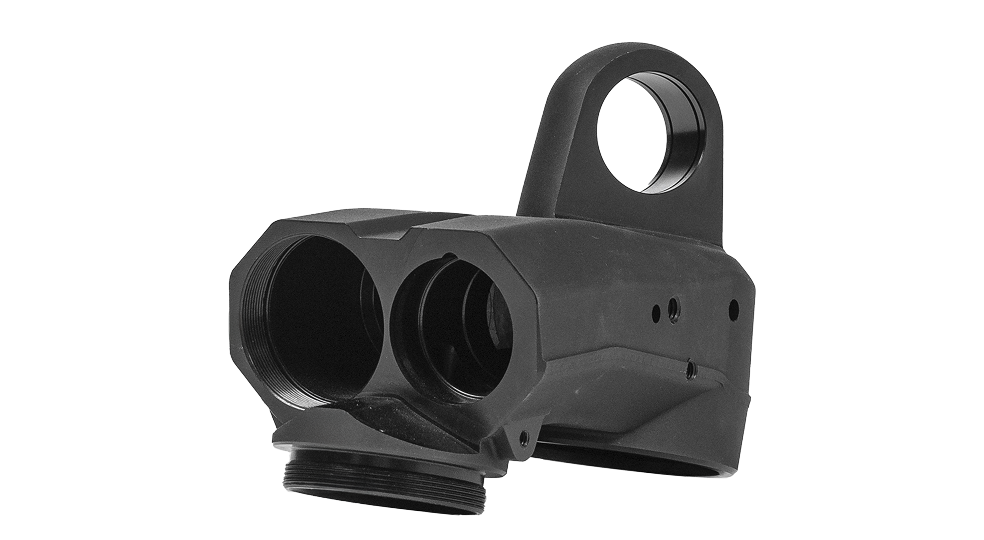
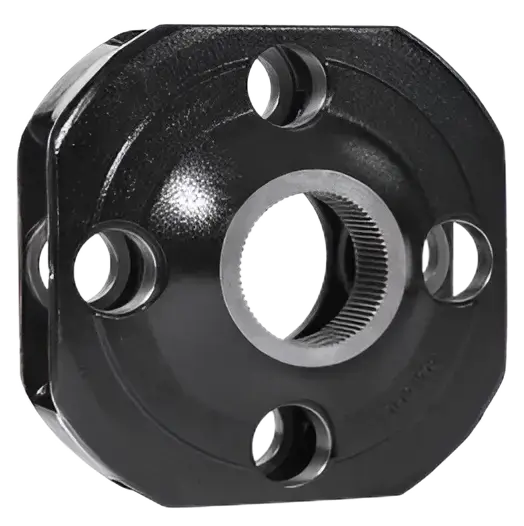
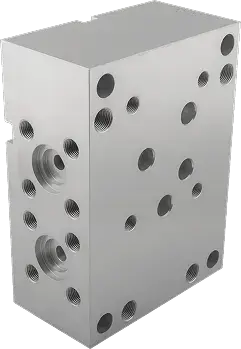
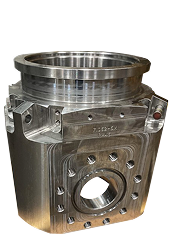
CNC machining of aluminum is a manufacturing process in which computer-controlled machine tools remove material from aluminum stock to produce finished parts with high dimensional accuracy and repeatability. The process allows aluminum components to be shaped into complex geometries while maintaining tight tolerances and controlled surface finishes.
Aluminum is one of the most commonly machined metals due to its excellent machinability, strength-to-weight ratio, corrosion resistance, and thermal conductivity. These properties make CNC machining of aluminum suitable for both structural and functional components across many industries.
In precision manufacturing environments, CNC machining of aluminum functions as a refinement stage within the broader component lifecycle. The alloy selected, the forming method used, and the process controls applied upstream all shape what machining can achieve in terms of dimensional accuracy, surface quality, and long-term part performance.
How CNC Machining of Aluminum Works
The machining process follows a controlled workflow:
- Aluminum material is selected based on alloy and temper requirements.
- CAD models define part geometry and tolerance specifications.
- CAM software generates optimized tool paths for aluminum cutting.
- CNC machines remove material using controlled spindle speeds and feed rates.
- Finished parts are inspected for dimensional accuracy and surface quality.
Because aluminum responds well to machining, the process supports high productivity and consistent results.
Key Elements of CNC Machining of Aluminum
- Aluminum alloy selection such as 6061, 7075, or similar engineering grades
- CNC milling and turning equipment
- Cutting tools designed for aluminum chip evacuation
- Rigid workholding and fixturing
- Controlled machining parameters
- Inspection and quality verification systems
CNC Machining of Aluminum Within the Manufacturing Lifecycle
In an end-to-end manufacturing model, the decision of how to machine an aluminum component cannot be made in isolation from how that component was formed. Aluminum machined from forgings, billet, bar, or casting each presents different incoming conditions, and the machining strategy needs to be developed with those conditions in mind from the start of the lifecycle.
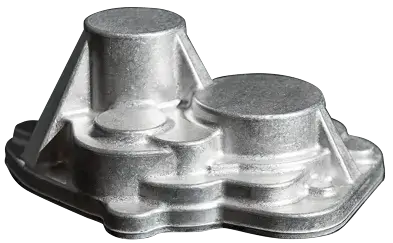
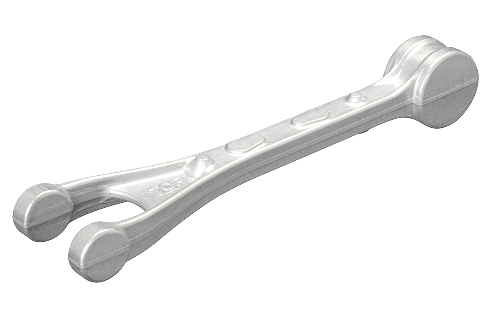
When aluminum components are forged prior to machining, the forging process refines grain structure and aligns material flow with the geometry of the part. This improves fatigue resistance and structural integrity before a single machining cut is made. CNC machining then works with that established structure to achieve final geometry, tight tolerances, and the surface conditions required for functional interfaces. The two stages are complementary when they are planned together and problematic when they are not.
Aluminum alloy selection is a lifecycle decision, not just a design specification. Different alloys machine differently, respond to heat treatment differently, and behave differently under the loads and environmental conditions of their intended application. Choosing an alloy based only on machinability or cost without accounting for downstream performance requirements, coating compatibility, or fatigue behavior introduces risk that cannot always be recovered at the machining stage.
Achieving consistent results in CNC machining of aluminum across a production run also depends on incoming material consistency. Variation in alloy temper, blank geometry, or surface condition introduces variation in the machining process itself. Lifecycle ownership addresses this by aligning material procurement, forming, and machining under a single coordinated system where each stage is held accountable to the requirements of the next.
Industry Applications
Aerospace
CNC machining of aluminum supports lightweight structural components, housings, and brackets that require strength, accuracy, and corrosion resistance for flight safety and certification compliance.
Specialty Automotive
Specialty automotive applications use CNC-machined aluminum components for suspension, braking, and performance assemblies that demand precision and durability.
Motorsports
Motorsports manufacturers rely on CNC machining of aluminum to produce lightweight, high-accuracy components that enhance vehicle performance and reliability.
Heavy Equipment, Construction, and Agriculture
CNC machining of aluminum provides durable and corrosion-resistant components for machinery operating in harsh and demanding environments.
Fluid Power
Fluid power systems depend on CNC-machined aluminum parts for valve bodies, manifolds, and housings that require tight tolerances to maintain pressure control.
Energy
Energy sector components use CNC machining of aluminum for parts that must deliver reliable performance under mechanical and environmental stress.
Why CNC Machining of Aluminum Matters
- Combines lightweight material with high strength
- Supports tight tolerances and complex geometries
- Provides corrosion resistance and long service life
- Enables repeatable, high-quality production
- Delivers consistent dimensional and structural performance when aluminum alloy selection, forming, and machining are coordinated across the full component lifecycle
No Matter the Industry,
We Flex to Solve What You Need
No Matter
the Industry,
We Are Part of
Everything You do.