
What Is CNC Programming?
CNC programming is the process of creating the digital instructions that control how a CNC machine moves, cuts, and produces a finished part. These instructions define tool paths, spindle speeds, feed rates, cutting depths, and machining sequences required to transform raw material into a precision component.
CNC programs are generated using computer aided manufacturing (CAM) software or manual coding methods and are based on three dimensional CAD models and engineering specifications. The quality of the CNC program directly impacts part accuracy, surface finish, cycle time, and overall manufacturing consistency.
In precision manufacturing environments, CNC programming represents a critical engineering function that bridges product design and physical production.
How CNC Programming Works
CNC programming follows a structured engineering workflow:
- CAD models define part geometry and tolerance requirements.
- CAM software converts geometry into tool paths and machining strategies.
- Engineers select cutting tools, speeds, and feeds based on material properties.
- The program is post processed into machine specific code.
- Programs are tested, optimized, and validated before production.
Well developed CNC programs minimize tool wear, reduce cycle time, and improve part consistency.
Key Elements of CNC Programming
- CAD and CAM software integration
- Tool path strategy development
- Cutting parameter optimization
- Machine specific post processing
- Collision and clearance verification
- Program revision control and documentation
CNC Programming in Aluminum Forging
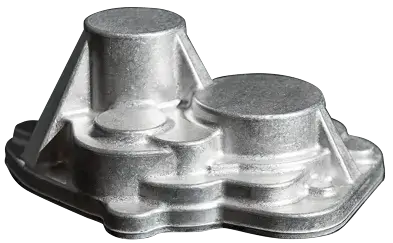
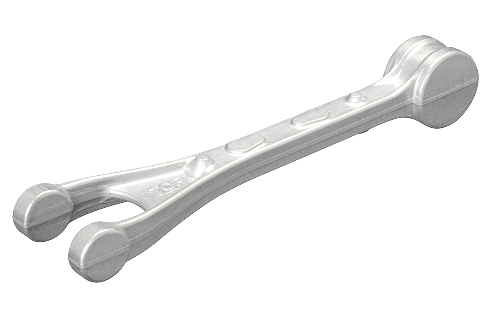
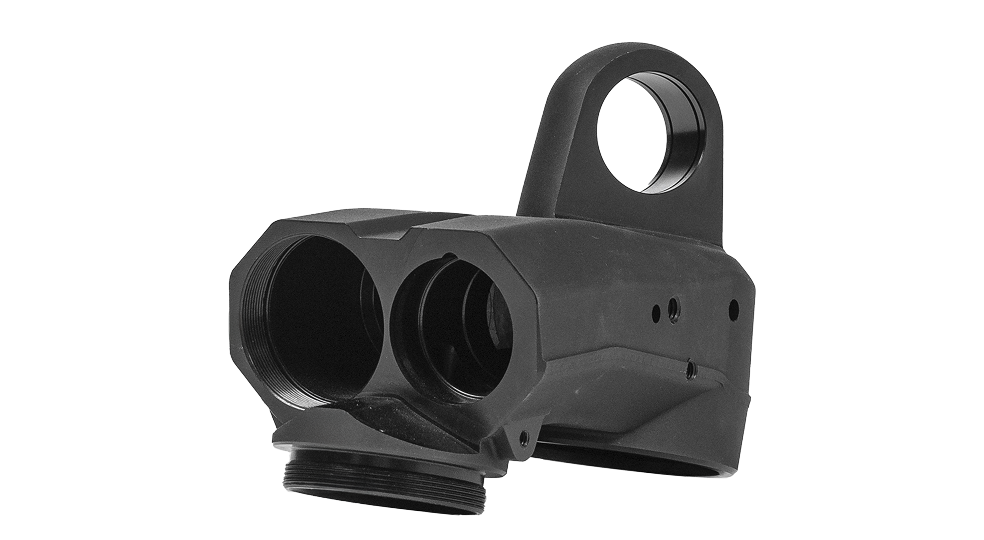
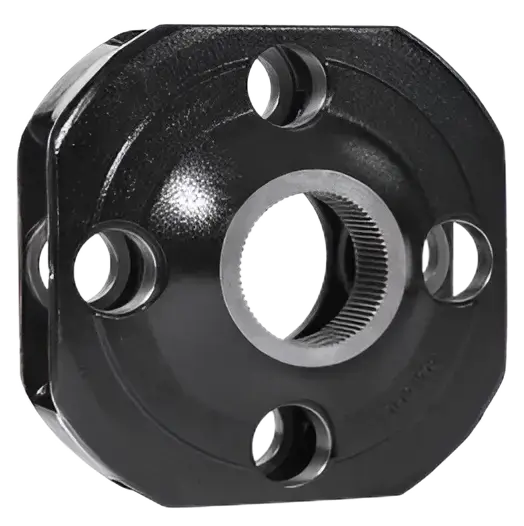
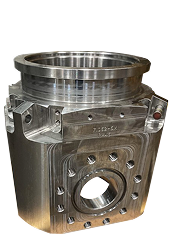
CNC programming plays a vital role in machining forged aluminum components. Forging produces near net shape parts, but CNC programming defines how those parts are finished to precise final geometry.
Anchor Harvey applies CNC programming to:
- Optimize tool paths for forged aluminum geometries
- Minimize material removal while maintaining accuracy
- Control heat generation and tool wear
- Ensure repeatable dimensional performance
- Support efficient high volume production
Strong CNC programming ensures forged aluminum components achieve both dimensional precision and production efficiency.
Industry Applications
Aerospace
CNC programming supports complex aerospace components requiring exact geometry, tight tolerances, and documented process control for certification compliance.
Specialty Automotive
Specialty automotive manufacturers rely on CNC programming to produce performance components with optimized machining strategies and consistent quality.
Motorsports
Motorsports applications use advanced CNC programming to achieve lightweight, high precision components with efficient machining cycles.
Heavy Equipment, Construction, and Agriculture
CNC programming enables reliable machining of durable components used in heavy duty machinery and agricultural equipment.
Fluid Power
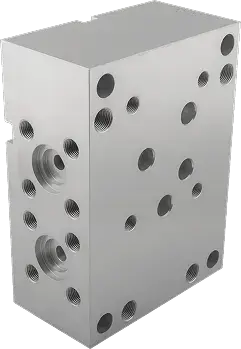
Fluid power systems depend on precise CNC programming to maintain dimensional accuracy for valve bodies, manifolds, and sealing surfaces.
Energy
Energy sector components require CNC programming that ensures structural accuracy, repeatability, and operational reliability.
Why CNC Programming Matters
- Directly controls part accuracy and surface quality
- Improves manufacturing efficiency and repeatability
- Reduces tool wear and machining errors
- Supports complex geometry production
- Enables consistent, scalable production
No Matter the Industry,
We Flex to Solve What You Need
No Matter
the Industry,
We Are Part of
Everything You do.