
What Is CNC Simulation?
CNC simulation is a virtual manufacturing process used to digitally test and validate CNC programs before they are executed on a machine. The simulation replicates machine motion, tool movement, part geometry, and cutting sequences to verify that toolpaths are accurate, safe, and optimized.
By simulating the machining process in a digital environment, manufacturers can identify collisions, overcuts, missed features, and inefficiencies before material is ever loaded into a machine. This reduces risk, prevents scrap, and improves overall process reliability.
In precision manufacturing environments, CNC simulation is a critical step in ensuring that machining programs will perform exactly as intended.
How CNC Simulation Works
CNC simulation follows a structured validation workflow:
- CAM software generates machining toolpaths.
- Simulation software imports the toolpaths and machine configuration.
- Virtual tools, fixtures, and workpieces are modeled.
- The machining process is digitally executed step by step.
- Errors, collisions, or inefficiencies are identified and corrected.
Once validated, the CNC program can be confidently released to production.
Key Elements of CNC Simulation
- Digital machine and tool models
- Virtual workholding and fixture representation
- Toolpath visualization and material removal display
- Collision and interference detection
- Cycle time and motion analysis
- Program verification and revision control
CNC Simulation in Aluminum Forging
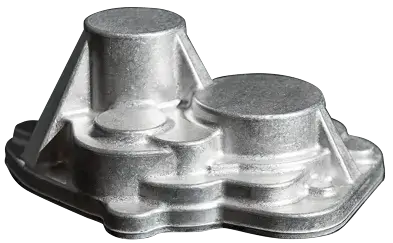
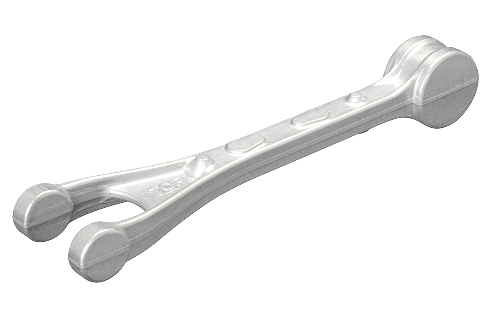
CNC simulation is especially valuable when machining forged aluminum components. Forged parts often contain complex shapes, variable stock conditions, and critical surfaces that require precise machining strategies.
Anchor Harvey applies CNC simulation to:
- Validate toolpaths on forged aluminum geometries
- Prevent tool and fixture collisions
- Optimize cutting strategies before production
- Reduce scrap and rework
- Ensure repeatable machining performance
This simulation driven approach strengthens process reliability and supports high quality production outcomes.
Industry Applications
Aerospace
CNC simulation supports aerospace machining by validating complex toolpaths and preventing costly machining errors on high value components.
Specialty Automotive
Specialty automotive manufacturers use CNC simulation to optimize machining strategies for performance components and reduce development time.
Motorsports
Motorsports applications rely on CNC simulation to validate aggressive machining paths for lightweight, high precision components.
Heavy Equipment, Construction, and Agriculture
CNC simulation ensures machining programs are reliable and efficient for large, complex, or high load components.
Fluid Power
Fluid power systems use CNC simulation to verify internal passage machining and sealing surface accuracy.
Energy
Energy sector components depend on CNC simulation to validate machining processes for parts that must meet strict reliability standards.
Why CNC Simulation Matters
- Prevents machining collisions and part damage
- Reduces scrap and rework
- Improves program reliability and consistency
- Optimizes cycle time and machining efficiency
- Strengthens overall process validation
No Matter the Industry,
We Flex to Solve What You Need
No Matter
the Industry,
We Are Part of
Everything You do.