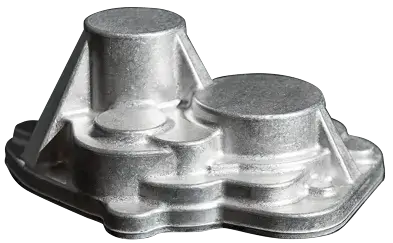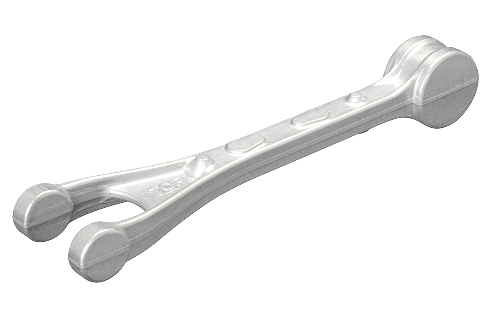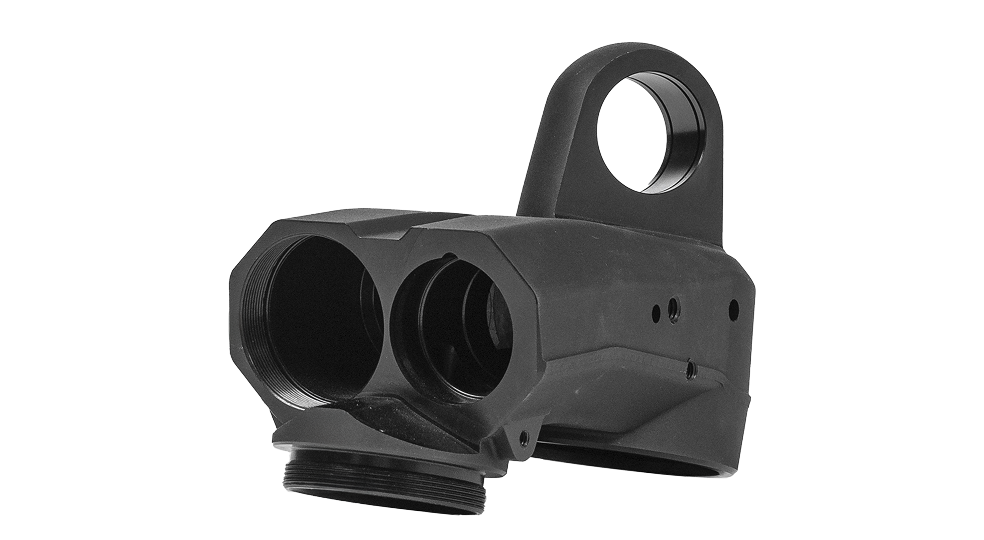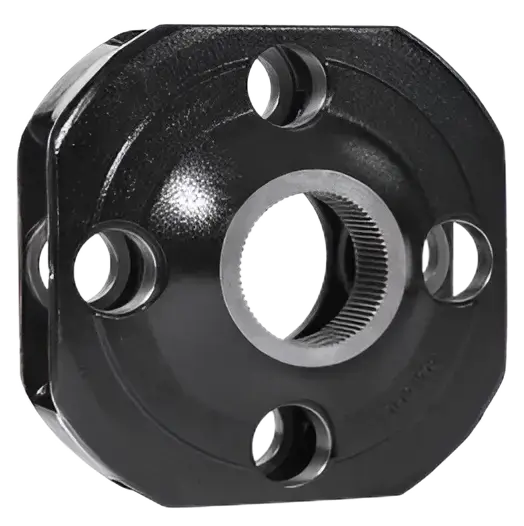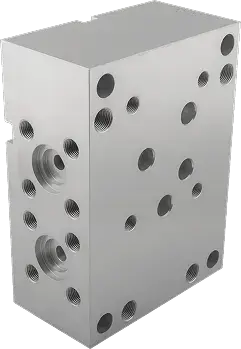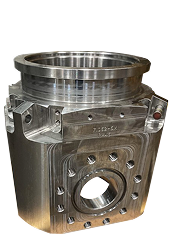

What Is Grain Flow?
Grain flow refers to the directional alignment of metal grains inside a component after it has been forged. When aluminum is compressed, shaped, and deformed under intense pressure, its internal grain structure follows the contour of the newly formed geometry and influences how the component performs in downstream applications. This contrasts with cast or machined-from-billet parts, where grain orientation remains random or unoptimized.
This directional grain pattern significantly increases strength, fatigue resistance, and durability because the grains naturally align along stress paths. Grain flow is one of the defining advantages of forging and is a key reason forged components outperform cast or machined equivalents in demanding applications throughout the end-to-end manufacturing lifecycle.
For high performance aluminum components, grain flow contributes directly to structural integrity, crash behavior, and long term reliability from production through final use.
How Grain Flow Is Formed
- Aluminum billet is heated and positioned in the forging die
- High pressure deformation forces grains to elongate and follow part geometry
- Grain alignment strengthens critical load paths
- Controlled die design influences how material flows during forging
- Final forged part exhibits continuous, uninterrupted grain structure
Key Elements of Grain Flow
- Directional grain alignment based on part shape
- Fewer internal defects compared to cast structures
- Enhanced fatigue resistance from continuous grain paths
- Improved strength along load bearing directions
- Better impact behavior and long term durability
- Increased reliability for mission critical components
Grain Flow in End-to-End Manufacturing
Grain flow is established during forging but directly impacts how a component performs in later stages of the manufacturing lifecycle and in its final application. Properly aligned grain structure improves machinability, supports dimensional stability, and enhances the component’s ability to withstand real-world loading conditions.
In an end-to-end manufacturing model, grain flow must be engineered with the final application in mind. At Anchor Harvey, die design, material selection, and forging parameters are optimized to ensure grain structure aligns with critical stress paths, allowing components to maintain strength and reliability through downstream processing, assembly, and field use.
This integration helps ensure consistent performance across the full lifecycle.
Industry Applications
Aerospace
Grain flow supports the high fatigue life and structural reliability required for flight-critical components such as brackets, hinges, housings, and load-bearing parts throughout the full production and operational lifecycle.
Automotive
Suspension, steering, and drivetrain components benefit from improved impact resistance and enhanced directional strength produced by aligned grain flow that must perform consistently across downstream manufacturing and use conditions.
Defense
Defense systems rely on forged grain structures for durability, shock resistance, and long term performance in extreme environments across complex, multi-stage manufacturing and deployment scenarios.
Why Grain Flow Matters
- Increases strength and fatigue resistance
- Improves durability under repeated loads
- Enhances crash and impact performance
- Reduces the risk of internal defects or failures
- Provides predictable, uniform mechanical properties
No Matter the Industry,
We Flex to Solve What You Need
No Matter
the Industry,
We Are Part of
Everything You do.