
What Is Precision Machining?
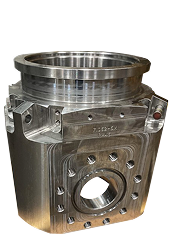
Precision machining is a manufacturing approach focused on producing components with very tight tolerances, exact geometries, and high dimensional consistency. It uses advanced CNC equipment, optimized machining strategies, and strict quality control to ensure that each part meets precise engineering specifications.
Unlike standard machining, precision machining emphasizes accuracy, surface integrity, and repeatability. It is applied when parts must fit exactly within assemblies, maintain controlled clearances, or perform reliably under demanding operating conditions.
In precision manufacturing environments, precision machining ensures that complex components are produced consistently, efficiently, and within defined tolerance limits.
How Precision Machining Works
Precision machining follows a controlled production workflow:
- CAD models define exact geometry and tolerance requirements.
- CAM software generates optimized toolpaths for accuracy and stability.
- CNC machines execute machining operations with controlled motion and cutting parameters.
- Specialized tooling and fixturing minimize vibration and deflection.
- Parts are inspected to verify dimensional and geometric accuracy.
Each step is designed to reduce variation and maintain consistent output quality.
Key Elements of Precision Machining
- High-accuracy CNC machining centers
- Advanced CAM programming strategies
- Precision cutting tools and tool management
- Rigid fixturing and workholding systems
- Controlled machining parameters
- Precision inspection and measurement systems
Precision Machining in Aluminum Forging
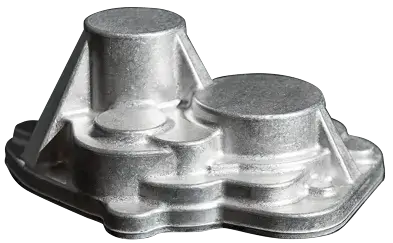
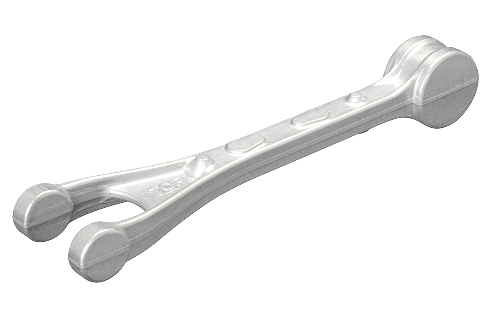
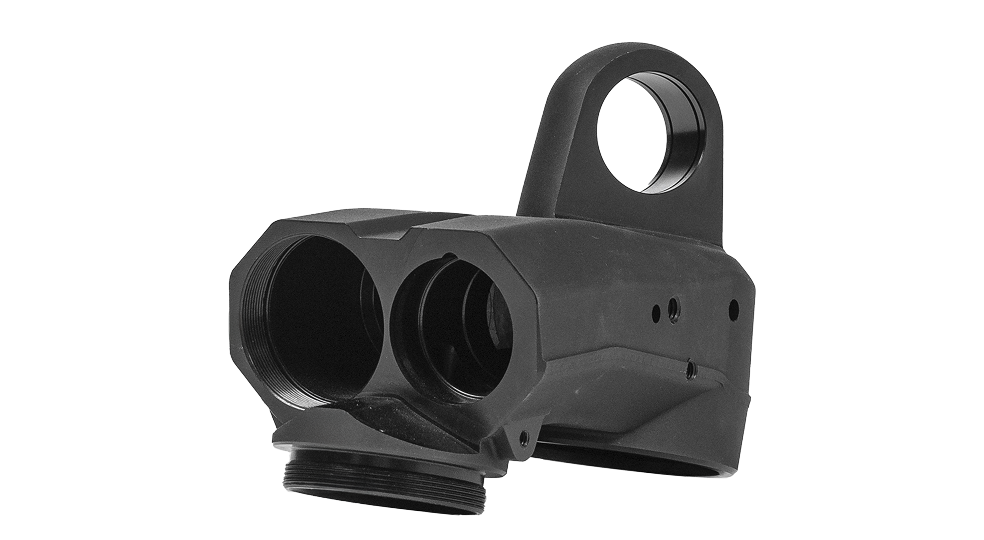
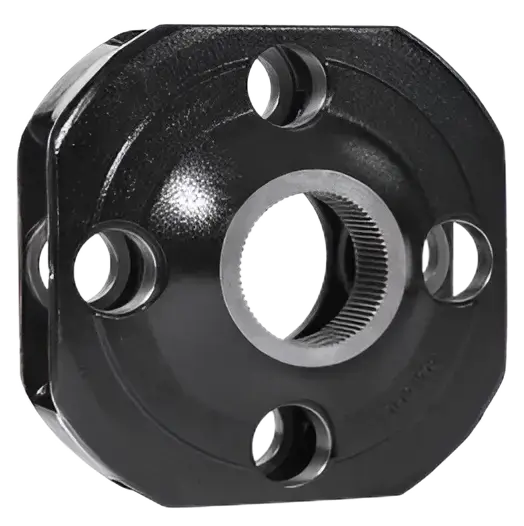
Precision machining is a critical finishing process for forged aluminum components. Forging produces near-net-shape parts with superior grain structure, while precision machining refines the part to its final geometry and tolerance requirements.
Anchor Harvey applies precision machining to:
- Finish forged aluminum components to tight tolerances
- Create precise interfaces and mating surfaces
- Maintain consistent dimensional accuracy across production volumes
- Support high-performance structural and mechanical applications
This combination ensures forged aluminum components deliver both strength and precision.
Industry Applications
Aerospace
Precision machining supports aerospace components that require tight tolerances, accurate geometry, and strict compliance with certification standards.
Specialty Automotive
Specialty automotive manufacturers rely on precision machining for performance components requiring exact fit, balance, and durability.
Motorsports
Motorsports applications depend on precision machining to achieve lightweight, high-accuracy components with repeatable performance.
Heavy Equipment, Construction, and Agriculture
Precision machining ensures proper alignment and durability for components used in heavy-duty machinery and agricultural equipment.
Fluid Power
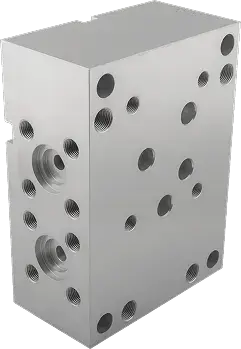
Fluid power systems rely on precision machining to produce valve bodies, manifolds, and sealing surfaces with controlled tolerances.
Energy
Energy sector components require precision machining to maintain dimensional accuracy, structural integrity, and operational reliability.
Why Precision Machining Matters
- Enables tight tolerances and consistent accuracy
- Improves part fit, function, and reliability
- Reduces dimensional variation and rework
- Supports complex and critical assemblies
- Ensures predictable manufacturing performance
No Matter the Industry,
We Flex to Solve What You Need
No Matter
the Industry,
We Are Part of
Everything You do.