
What Is Thermal Deburring?
Thermal deburring is a finishing process used to remove burrs, sharp edges, and residual material from machined components by exposing them to a controlled thermal energy release inside a sealed chamber. The process uses a combustible gas mixture that ignites rapidly, burning away burrs without damaging the primary part geometry.
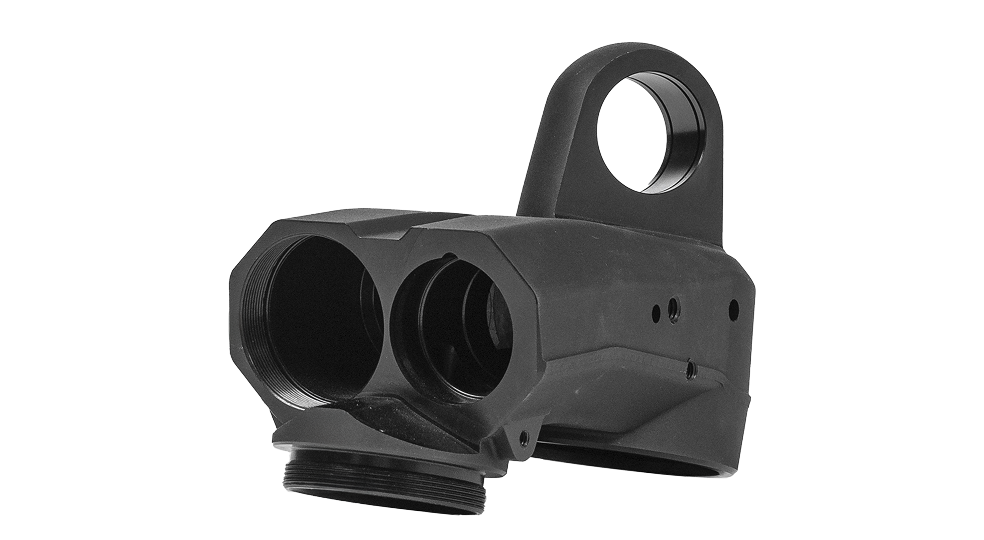
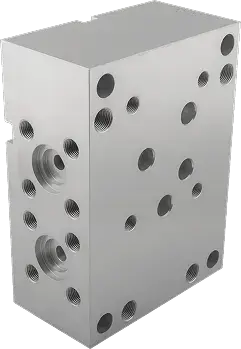
Thermal deburring is especially effective for parts with internal passages, cross holes, and complex geometries where mechanical deburring methods cannot reach. The process removes burrs consistently across all exposed edges in a single cycle.
In precision manufacturing environments, thermal deburring improves part safety, functionality, and assembly performance.
How Thermal Deburring Works
Thermal deburring follows a controlled finishing sequence:
- Parts are placed inside a sealed deburring chamber.
- A gas mixture is introduced into the chamber.
- The mixture is ignited, creating a brief thermal reaction.
- Burrs, which have a high surface area relative to mass, burn away.
- Parts are cooled and inspected for edge quality.
The base material remains unaffected because the heat exposure is extremely brief and localized to burr features.
Key Elements of Thermal Deburring
- Sealed combustion chamber
- Controlled gas mixture and ignition system
- Precise cycle time and pressure control
- Part fixturing and positioning
- Post-process inspection
- Cleaning or secondary finishing if required
Thermal Deburring in Aluminum Forging
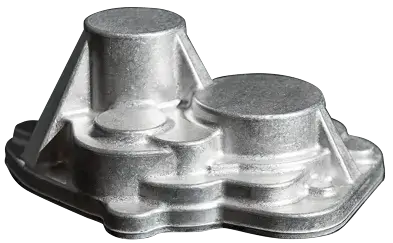
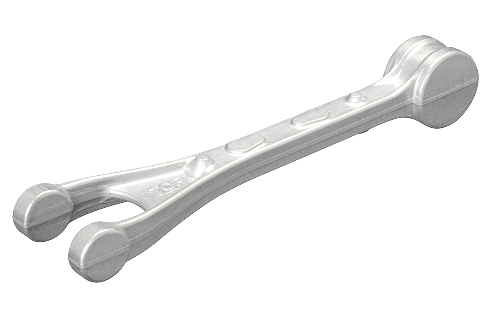
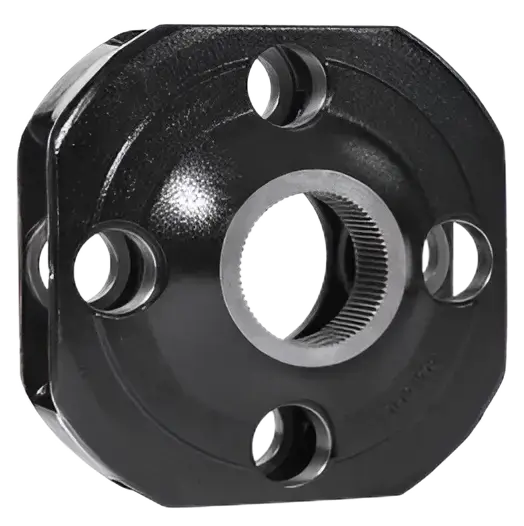
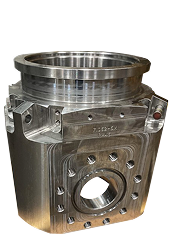
Thermal deburring is commonly applied to forged and machined aluminum components to remove burrs created during drilling, milling, and intersecting hole operations. Aluminum parts often contain complex features where burrs can interfere with assembly, sealing, or fluid flow.
Anchor Harvey applies thermal deburring to:
- Remove burrs from internal and external features
- Improve edge quality and part safety
- Support reliable assembly and sealing performance
- Maintain consistent surface integrity across production volumes
This process ensures forged aluminum components meet functional and quality requirements.
Industry Applications
Aerospace
Thermal deburring supports aerospace components by ensuring burr-free internal passages and edge quality for safety and performance compliance.
Specialty Automotive
Specialty automotive manufacturers use thermal deburring to improve part fit, sealing surfaces, and functional reliability.
Motorsports
Motorsports applications rely on thermal deburring to remove burrs from complex, high-performance components.
Heavy Equipment, Construction, and Agriculture
Thermal deburring improves durability and assembly quality for components used in heavy-duty machinery.
Fluid Power
Fluid power systems depend on thermal deburring to ensure clean internal passages and proper sealing performance.
Energy
Energy sector components use thermal deburring to maintain reliability and dimensional integrity in demanding operating environments.
Why Thermal Deburring Matters
- Removes burrs from hard-to-reach features
- Improves part safety and surface quality
- Supports reliable assembly and sealing
- Enhances functional performance
- Provides consistent deburring across complex geometries
No Matter the Industry,
We Flex to Solve What You Need
No Matter
the Industry,
We Are Part of
Everything You do.