
What Is Tool and Die?
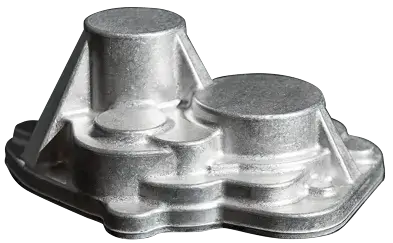
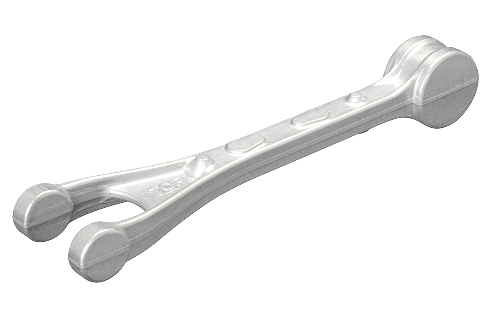
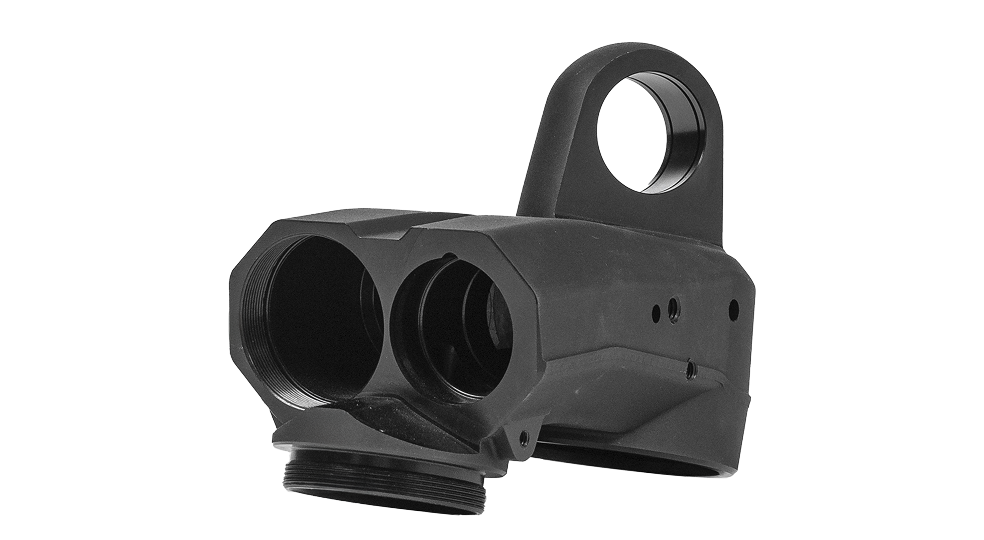
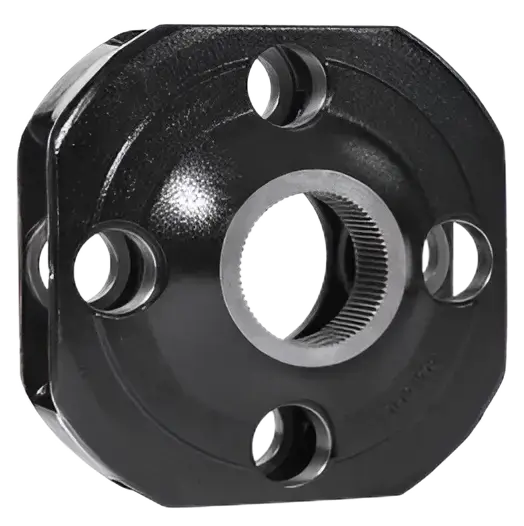
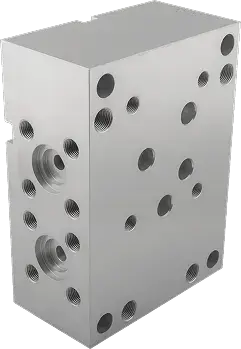
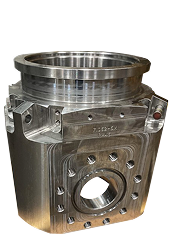
Tool and die refers to the engineered tooling used to shape, form, or cut metal during manufacturing processes. In forging, these tools include precision machined dies, inserts, punches, and tooling sets that create the final geometry of a forged aluminum part. Each die is custom built to match the customer’s exact specifications, tolerances, and performance requirements within the broader end-to-end manufacturing lifecycle.
The tool and die process combines engineering design, CNC machining, heat treatment, and rigorous testing to ensure the tooling can withstand repeated high pressure forging cycles. These tools determine material flow, part geometry, structural integrity, and long term repeatability while influencing downstream processes such as machining, finishing, and final inspection.
At Anchor Harvey, tool and die design is performed in house. This provides tighter control over quality, faster iteration, and deeper collaboration between engineering, machining, and forging teams across interconnected stages of production.
How Tool and Die Works
- Engineers design 3D models of the die based on the final part geometry
- Tool steel is selected and machined using CNC milling and EDM processes
- Dies are heat treated to achieve required hardness and durability
- Tooling is tested, validated, and refined before full production
- Forging presses use the dies to form aluminum billets into finished shapes
Key Elements of Tool and Die
- Custom die design and modeling
- CNC machining and EDM manufacturing
- High strength tool steel and heat treatment
- Draft angles, tolerances, and parting lines
- Tool maintenance and repair schedules
- Dimensional verification and trial forging runs
Tool and Die in End-to-End Manufacturing
Tooling is a foundational element that influences every stage of production, from initial forming through final part performance. Well-designed dies ensure proper material flow, accurate geometry, and repeatable results, which directly impact downstream processes and overall component quality.
In an end-to-end manufacturing model, tool and die capabilities must align with both upstream design intent and downstream production requirements. At Anchor Harvey, in-house tooling enables close coordination between engineering, forging, and finishing operations, ensuring that each die is optimized for performance, efficiency, and final part specifications.
This integration supports consistent outcomes across the full manufacturing lifecycle.
Industry Applications
Aerospace
Aerospace forgings require precise, high strength dies capable of producing complex geometries with minimal variation across the full production and validation lifecycle..
Automotive
High volume automotive components rely on durable tooling that maintains accuracy throughout long production cycles and supports downstream manufacturing consistency.
Defense
Defense parts demand tooling that can withstand repeated forging loads while maintaining controlled, mission critical tolerances across multi-stage manufacturing environments..
Why Tool and Die Matters
- Enables precise shaping of forged aluminum components
- Ensures consistent part quality across production runs
- Supports optimized grain flow and mechanical properties
- Reduces downtime through proper tool maintenance
- Improves efficiency and reliability with in house tooling capability
No Matter the Industry,
We Flex to Solve What You Need
No Matter
the Industry,
We Are Part of
Everything You do.